
The call came after the evening bulletin
Claire is a producer at a regional channel, and she rang our desk shortly after the evening bulletin had finished. A stretch of road outside town had flooded, drivers were being turned back, and her own crew was committed to a council meeting forty miles away. She wanted pictures for the morning programme and a short voiced package for the website, and she wanted to know honestly whether that was possible.
I was in the building that night, so I took the call and walked it through to Helen, our managing producer. The first question we asked was not about equipment but about use: where would the footage run, how long should the package be, and who would approve it before transmission. Claire answered all three in a couple of minutes, which saved us an hour of guessing later.
By the end of the call we had a plan with times attached. Daniel, our lead camera operator, would leave within the half hour, and Priya would stay at the edit suite to receive material as it came in.
What the crew took and why
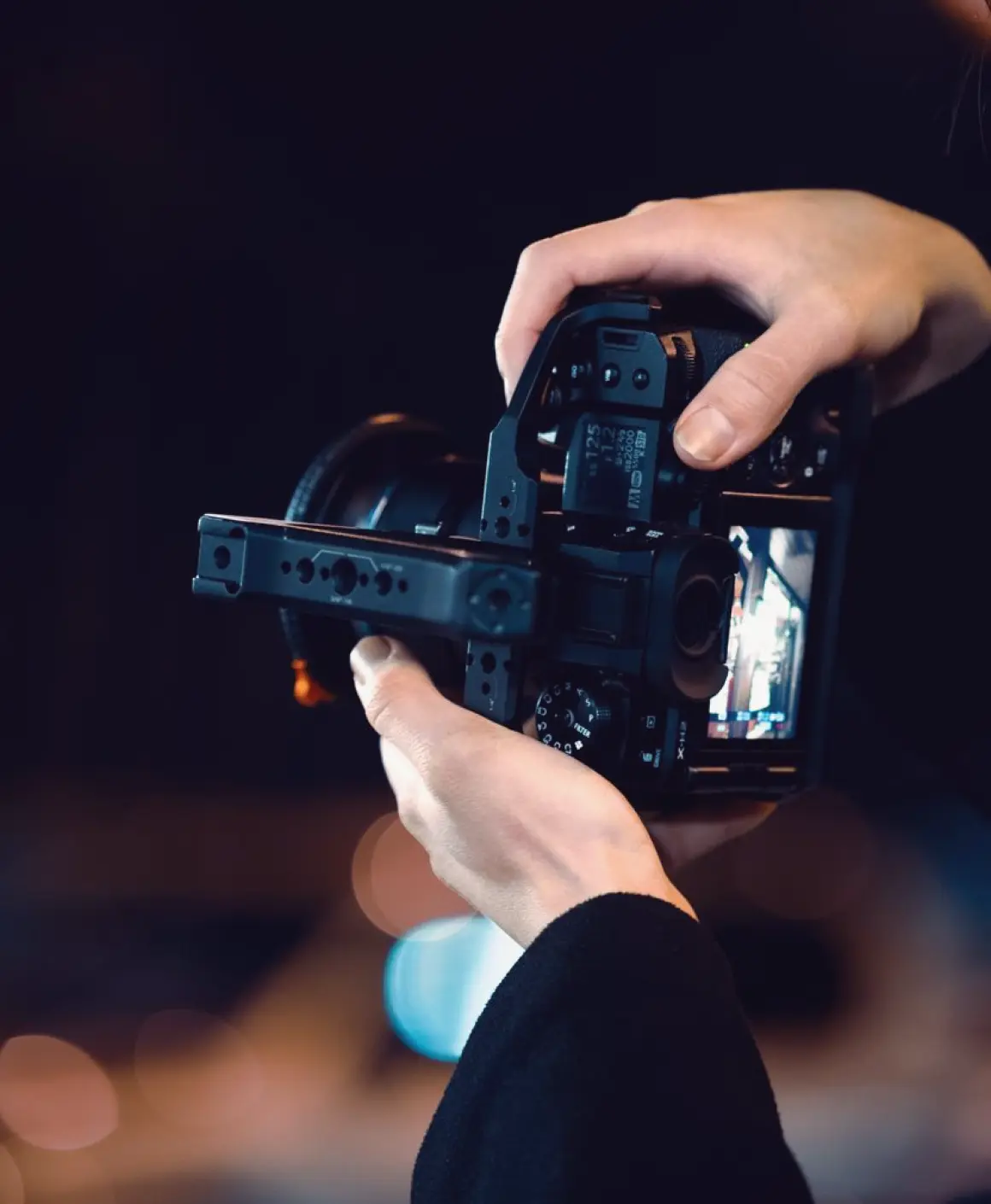
Daniel travelled light. A single camera with a fast lens, a spare battery pack, a small on-camera light and a lavalier microphone for any interview. In autumn the evenings close in early and rain softens everything, so he also packed a rain cover and a microfibre cloth for the lens, which he used more than anything else that night.
Flooded locations look dramatic on camera but they are poor places to stand around. He chose his positions before he started recording: one wide shot showing the extent of the water, one at car level showing the diversion in practice, and one tight on the road signs that mattered to local viewers.
We keep our kit choices plain on purpose. Breaking work rewards equipment you can set up in a minute and trust completely, and the kit bag had been packed and checked the previous week.
- One camera, one spare battery pack, one small light
- Lavalier microphone for a quick interview
- Rain cover and lens cloth
- Notebook for place names and spellings
Shooting for the edit, not just for the moment
Daniel thinks about the cut while he is still filming. He held each shot for a full ten seconds even when nothing seemed to be happening, because an editor can always shorten a held shot but cannot lengthen a short one. He also recorded a few seconds of room tone, in this case the sound of water and passing traffic, so that Priya would have clean ambient audio to lay under the narration.
He spoke briefly to a resident named Margaret, who had lived beside the road for many years and could describe how quickly the water had risen. He asked her permission on camera, spelled her name back to her, and confirmed that she was happy for the clip to be used on air and online.
Fair reporting starts at the location. Every name, place and claim Daniel noted down was one fewer thing Priya or Claire had to chase at midnight.
Moving the material while it was still being shot
Rather than wait for Daniel to drive back with a memory card, we had him send the clips from a mobile connection in short batches. Priya began a rough assembly from the first upload, so by the time he finished shooting, a sequence already existed and only needed his later shots slotted in.
This overlap is the heart of how we handle quick turnarounds. Shooting and editing run side by side, with a shared folder and a simple naming habit so nobody opens the wrong file. Helen watched the clock and checked in with Claire at agreed points rather than constantly, which kept the night calm.
Priya cut a ninety-second package for broadcast and a shorter version for the website, then added captions. Captions matter for online viewers who watch without sound, and she checked each spelling of the place names against Daniel's notebook before exporting.
Delivery and what Claire did with it
The finished files reached Claire before the early morning meeting at her channel. She watched both versions, asked for one change to the opening line of the voiceover, and Priya made it in a few minutes. Claire's editor then approved the package for the morning programme.
Nothing about the delivery was clever. We exported to the format her playout system expected, named the files the way her team names theirs, and sent a short note listing running time, caption language and interview consent. A producer who has to ring back to ask what a file is has already lost time.
Later in the week Claire told us that the useful part had been the early rough assembly, because it let her judge the story's shape before dawn rather than at the last minute.
What we took from it for autumn work
Mid autumn brings short daylight, heavy rain and a steady run of weather stories, so we are likely to see more calls like Claire's in these weeks. The night confirmed a few habits worth keeping: agree the use and the approver at the start, shoot long shots, and send material early rather than all at once.
It also reminded us that the briefest conversation at the start of a job decides most of what follows. Claire's three answers shaped the whole night, and the crew was never working from assumptions.
We would rather spend five minutes clarifying a request than an hour reworking a package that missed its purpose.
- Settle where it airs and who signs it off before leaving
- Hold shots longer than feels necessary
- Upload in batches so editing starts early
- Check every name and place against the notebook
Claire's flooded road job was an ordinary piece of breaking news work, which is why it teaches so much. A clear first call, a light kit, early uploads and careful checking got a reliable package onto the morning programme. If you are weighing up a quick turnaround request of your own, use the contact page and tell us where it will run and when it needs to be ready.