How the company came to be
showbura began in 2014 in Chichester with a simple observation: newsrooms needed video that arrived quickly and was ready to air. We set out to supply it without drama. Twelve years on, that remains the job.

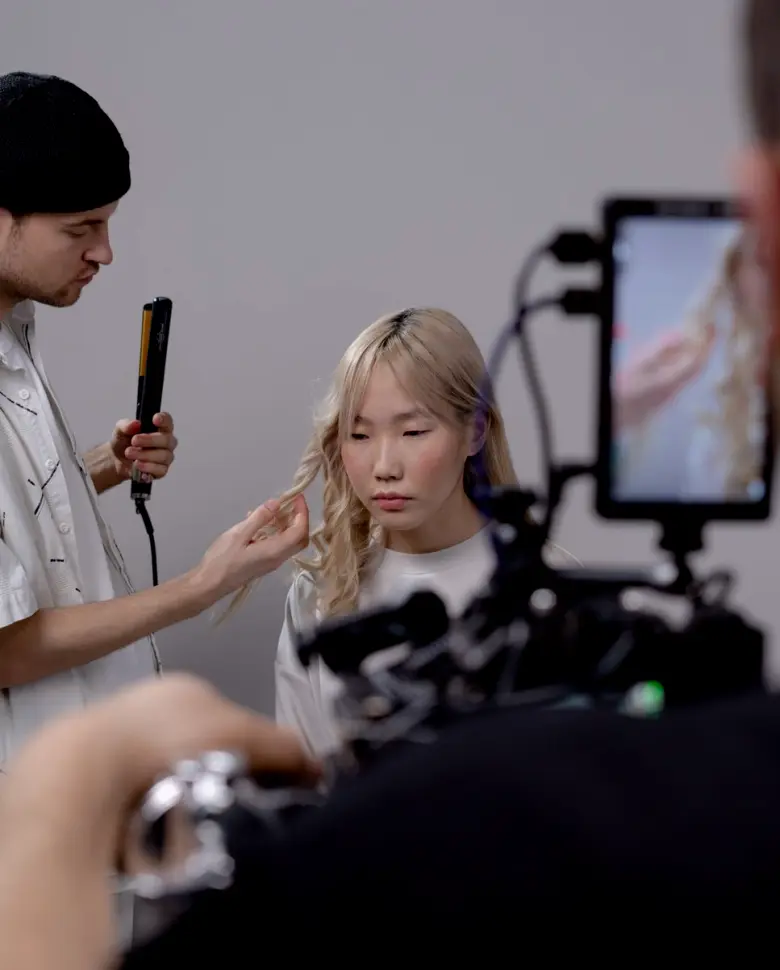
showbura began in 2014 in Chichester with a simple observation: newsrooms needed video that arrived quickly and was ready to air. We set out to supply it without drama. Twelve years on, that remains the job.
A news story gives very little time to reconsider a decision, so our principles are settled before a job begins. They decide how we staff a shoot, how we check material and how we speak to the people on camera. They keep fast work trustworthy and make our results predictable for the desks we serve.
Speed is something we prepare for. Kit is packed and checked in advance, crews know their roles, and edit suites are ready to receive footage. When a story breaks, there are few decisions left to make, so time goes into shooting and cutting rather than organising.
Accuracy is checked at several points. On location we confirm names, titles and spellings with the contact. In the edit, captions are read against the audio and facts are compared with your brief. Anything uncertain is raised with your desk before delivery, not after transmission.
Fair reporting means treating everyone on camera with respect and cutting their words without bending the meaning. We avoid leading questions and unbalanced framing, and we keep the original material available so your editors can see exactly what was said and in what order.
showbura
Early crews learned that planning for the deadline matters more than reacting to it, so every job begins with the delivery time and works backwards.
Field work taught us to travel light and keep handheld footage stable, which is why Daniel trains crews in quick, dependable camera technique.
Clients wanted controlled recordings as well as location work, so we built a lit set with autocue and multi-camera direction for bulletins and interviews.
Repeated requests for short interviews led to packages recorded on location or by remote link, framed and lit to drop straight into a running order.
Seeing delays after filming, we began reviewing approval and delivery steps with clients, simplifying how material moves between desk, edit and transmission.
Captioning and formatting for television and online channels became routine, so each client receives files in the specification they asked for.
Broadcast-ready news video from Chichester: breaking story crews, studio production, remote interviews, editing and newsroom workflow support since 2014.
Cookies and browser storage on this site serve only its basic functions and keep the choice you make on this notice. Details