

showbura

Our Work

A look at the kinds of material we shoot, cut and deliver for television and online news teams.

Scenes from our work

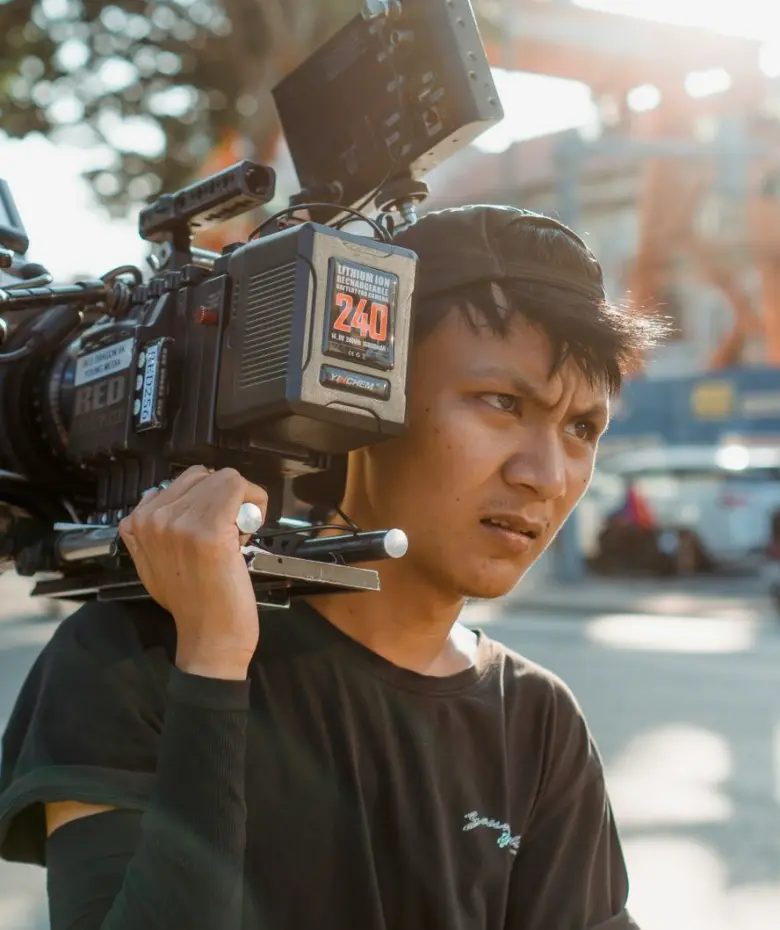
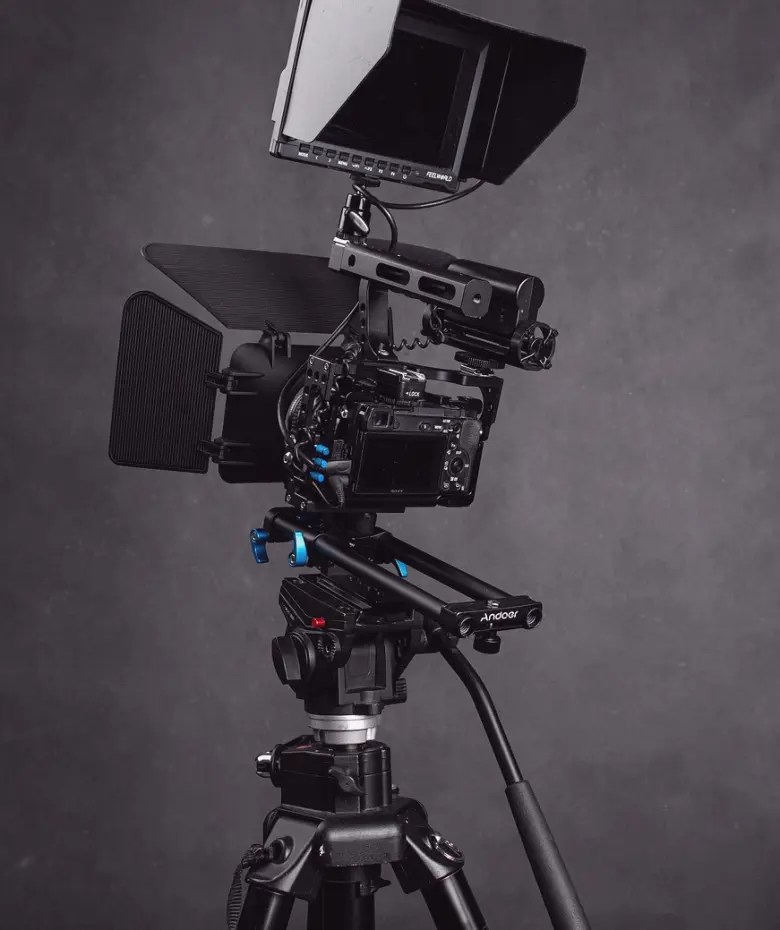
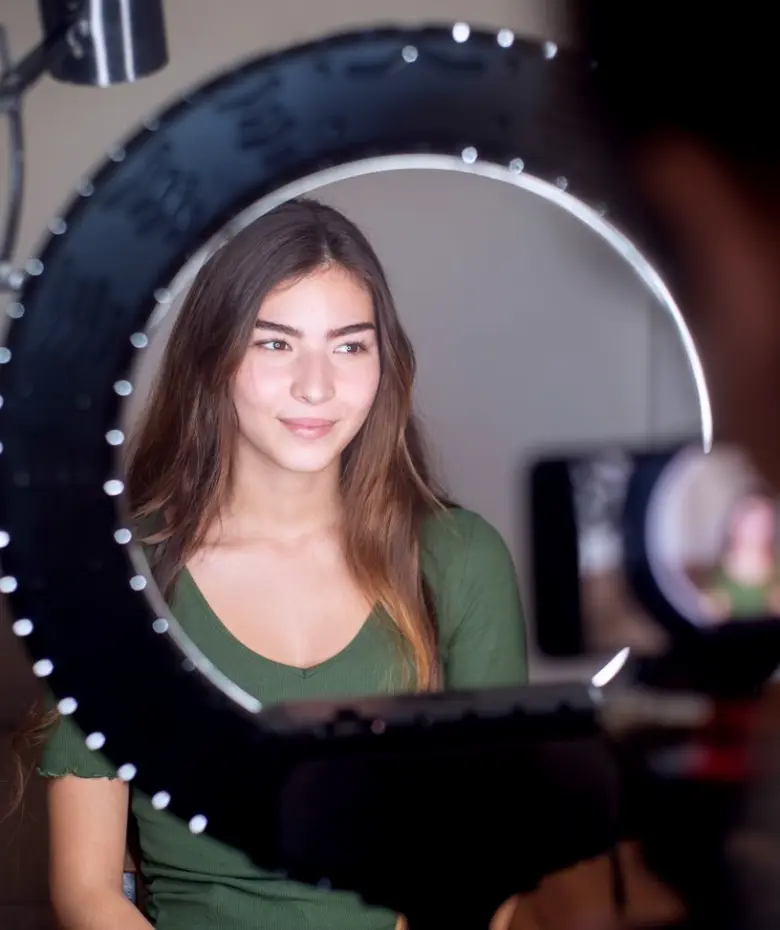
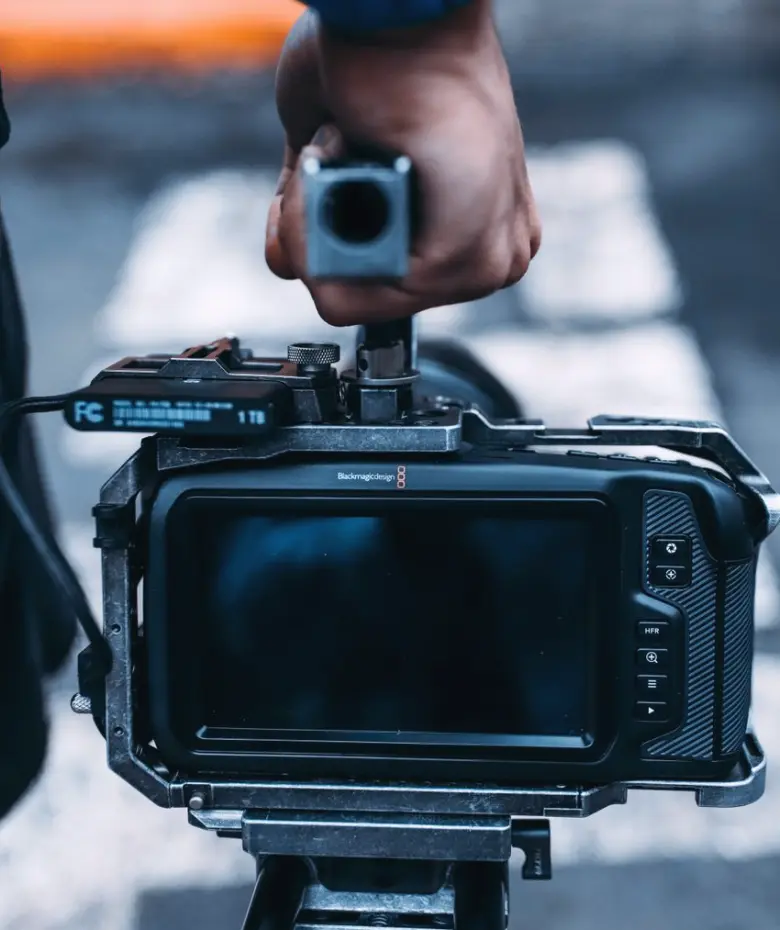
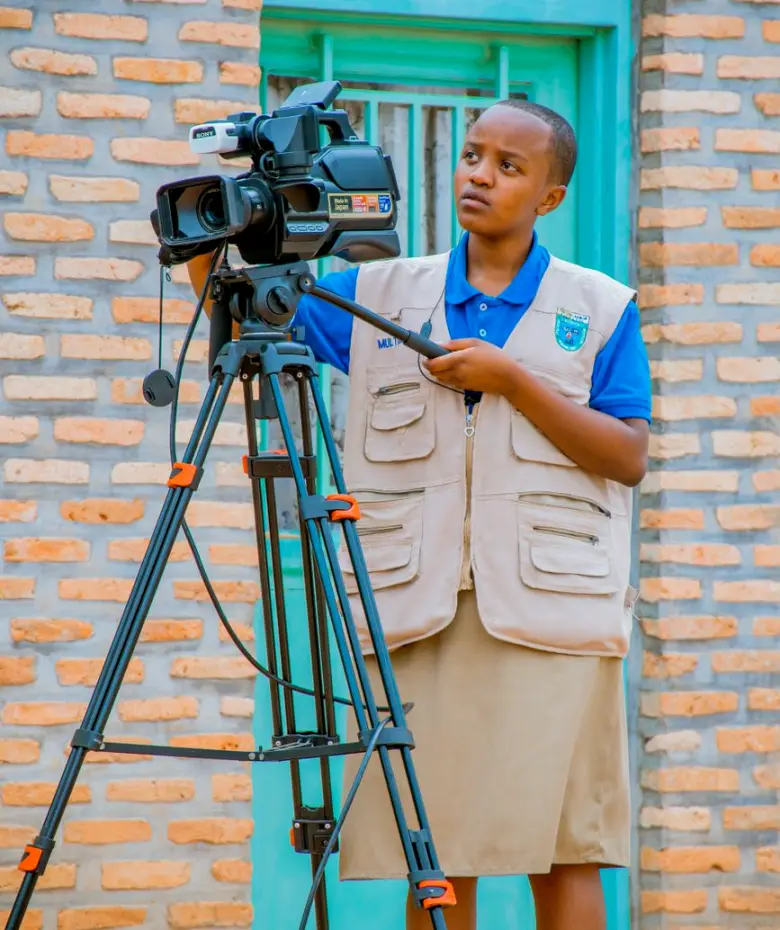
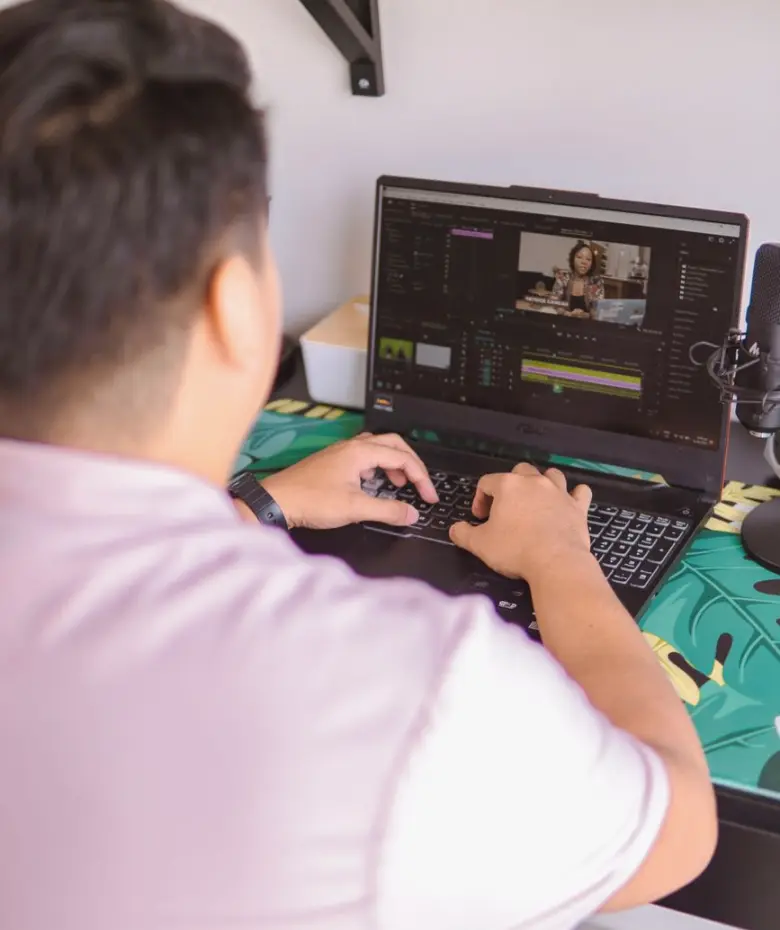
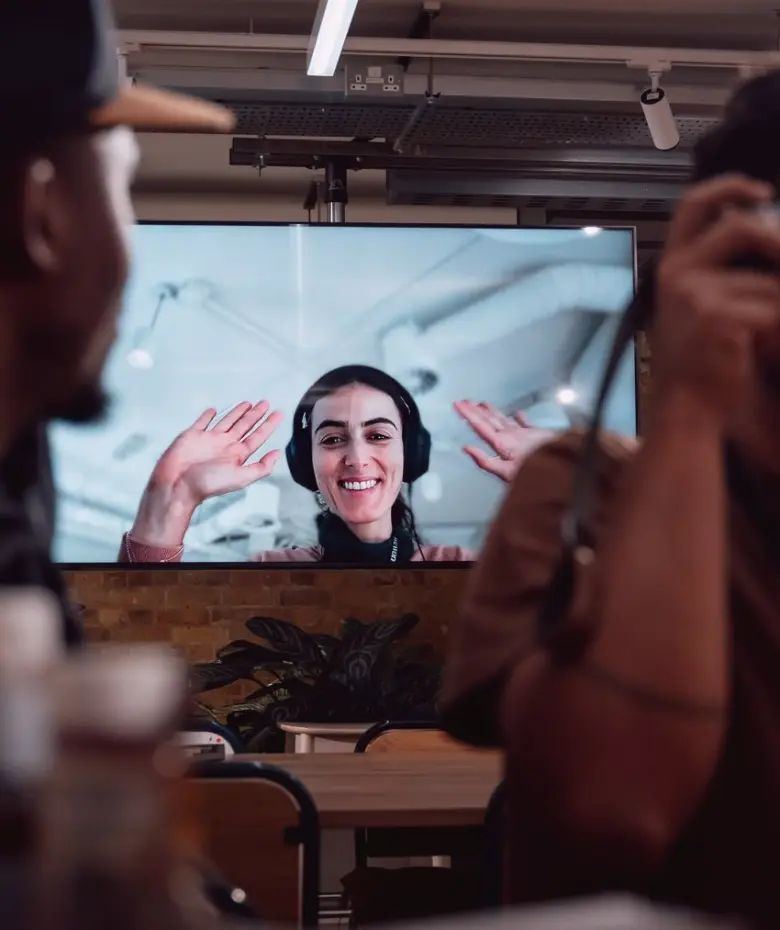
These images show the situations our crews and editors work in, from roadside reports to studio bulletins. Each reflects a typical assignment for a news desk.

How we work

What goes into a finished news package

A package that looks simple on screen rests on decisions made earlier: where the camera stands, how the sound is recorded and how the edit is organised. These notes describe the working habits behind the images above.

Shooting for the edit

Our camera operators think about the cut while they film. They record establishing shots, clean cutaways and a steady sequence of the key action, so the editor is never hunting for a missing picture. Handheld work is kept stable through practised technique and good kit. Sound is recorded with the picture, not left to chance, and a short shot list is kept as the day goes on. This saves time in the edit and keeps the story close to what happened.

Cutting against the clock

The edit starts as soon as footage arrives. Our editors build a rough assembly first, so you can see the shape of the story early and say what needs to change. Captions are added during the cut, not afterwards, and exports follow the specification your channel supplies. Because the same people shoot and edit, questions about what a shot shows can be answered at once, which keeps corrections short.

Fair and checked reporting

Speed does not excuse loose facts. We log who said what, keep quotes in their context and note anything we could not confirm. Where a detail is uncertain, the package is worded so that it does not claim more than the crew saw. Producers can rely on the material being straight, which matters most when a story is moving quickly and a correction would be costly.