
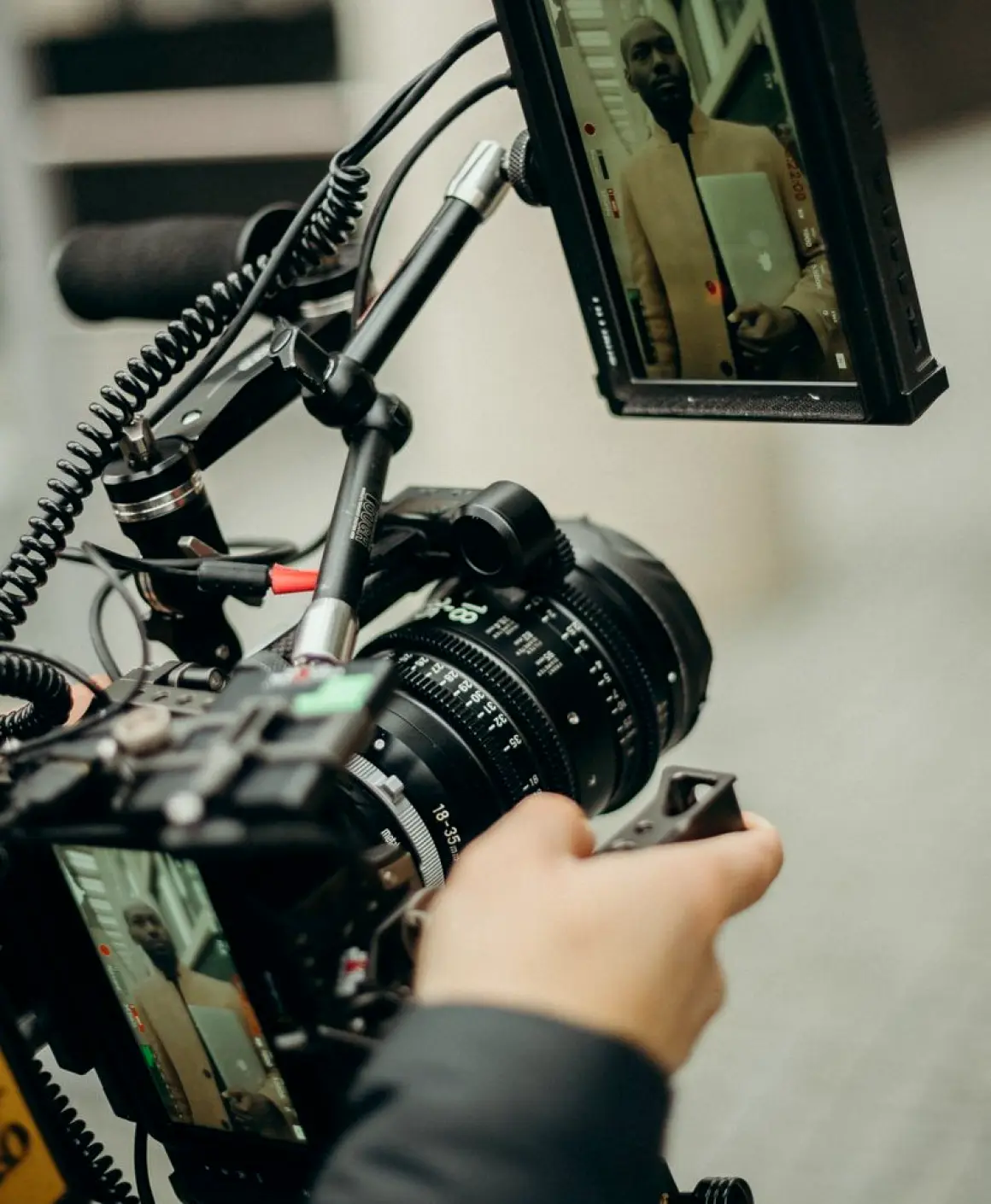
The question behind most calls
The question that reaches us more than any other is a plain one: how quickly can you turn this footage around? It comes from producers on a deadline, usually with a bulletin slot already fixed, and it deserves a straight answer rather than a promise. The honest reply is that speed depends on what arrives with the footage, not only on how fast an editor works.
A single clean interview with clear audio and a note of the key quotes can be cut, captioned and delivered inside a couple of hours. A pile of unlogged clips from three cameras, with no indication of what the story is, takes longer, because someone has to watch it all first. That watching is where most of the time goes.
I shoot more than I cut, but I sit next to the edit suite often enough to see this every week. The editors do not slow down. They wait for decisions, and a decision made early saves more minutes than any shortcut in the software.
What shapes the turnaround
Length is the obvious factor, but it is rarely the biggest one. A ninety-second package from tidy material is quicker than a forty-second piece built from shaky phone clips with mixed frame rates. Audio problems cost the most time, because hiss, wind and room echo have to be treated by ear and cannot be fixed with one button.
Captioning adds its own minutes. We check every caption against what was actually said, including names and place names, because a wrong spelling on screen is the kind of error viewers notice first. Formatting for several outlets also takes a little longer than a single delivery.
So when you ask for a time, tell us the slot, how many versions you need and whether captions are required. With those three facts an estimate can be given in one call, and it will hold.
- Length and number of source clips
- Audio quality of the material
- Captions required or not
- Number of output versions
What we need from you first
The second most common question is what to send. Short answer: the footage, a line on the story, and any wording that must appear exactly as written, such as a spokesperson's name and title. If there is a house style for lower thirds or a preferred caption font, include it once and we will keep it on file for the next job.
Send original files where you can, not copies that have been compressed through a messaging app. Compression removes detail that cannot be recovered, and it makes captions and graphics look soft when they are laid over the picture.
If a clip contains something sensitive, such as a person who should not be identified or a legal restriction, say so at the start. It is far easier to cut around a problem than to discover it after delivery, when the clip may already be queued for air.
- Original files, not compressed copies
- A short note on the story and the angle
- Exact spellings of names and titles
- Any restrictions on faces or wording
Formats, captions and where the clip goes
Producers also ask whether we can deliver in the format their playout system wants. We can work to broadcast file specifications and to the formats online channels expect, including vertical and square crops for social use. What we need is the specification from your side, in writing, before the first export, so nothing is guessed.
Captions are the other regular worry. We time them to speech, keep line lengths readable and break them at natural pauses rather than mid-phrase. Burnt-in captions and separate caption files are both possible, and the choice depends on where the clip will be shown.
One tip from the field: decide the crop before the edit, not after. A frame cut for a wide screen often loses the subject's face when forced into a tall one, and a quick check at the planning stage avoids a second pass.
Seasonal points for these weeks
At this time of year the questions shift. Light fades earlier, so more footage is shot in low light, and producers ask whether it can be rescued. Grain and colour casts can be reduced, but only within limits, and a face that was underexposed on location stays harder to read than one lit properly in the first place.
Wet weather brings its own trouble: rain noise on microphones and lens spots on exterior shots. Editors can soften the first and sometimes remove the second, though a dry take is always better than a repaired one.
If you know a story will be shot outdoors in poor conditions, tell the crew and the edit team together. A few minutes of planning, such as a windshield on the microphone or a second angle under cover, saves a long evening in the suite and gives the bulletin a cleaner result.
- Low light: reduce grain, accept limits
- Rain noise: treat by ear, shoot a dry take
- Lens spots: check exteriors before leaving
What we will not promise
Producers sometimes ask whether we can guarantee a fixed time whatever arrives. We prefer to give an estimate after seeing the material, and to tell you early if the slot looks tight, so that you can decide whether to trim the piece or move it.
We also will not alter the meaning of what someone said. Cutting for length is part of the job; cutting a quote so that it says something different is not, and our editors will flag a request that goes that way.
Finally, we cannot rescue footage that was never recorded properly. We can improve it, sometimes a great deal, but the best edit still starts with a good shot and clear sound. That is why camera and edit teams talk to each other from the first call.
The most common question has a practical answer: turnaround follows the quality and clarity of what you send. Give us original files, a short note on the story, the exact wording that must appear and the slot you are working to, and we can tell you quickly what is realistic. Call or write through the contact page before the footage is sent, and we will agree the format, captions and delivery route in advance.